


1. GTA V Becomes More Interesting When You Realize All Three Characters Want What Someone Else Already Has
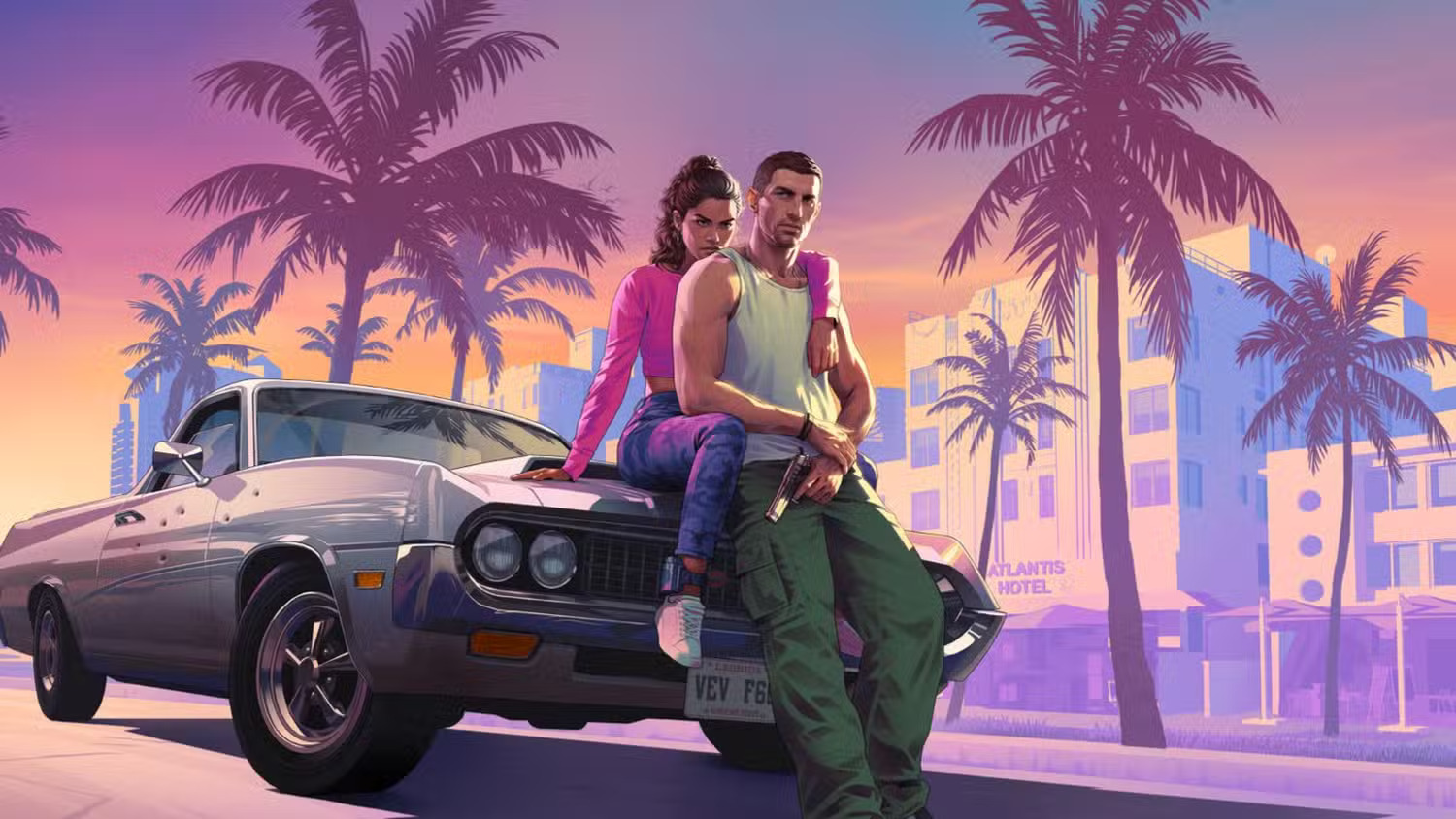
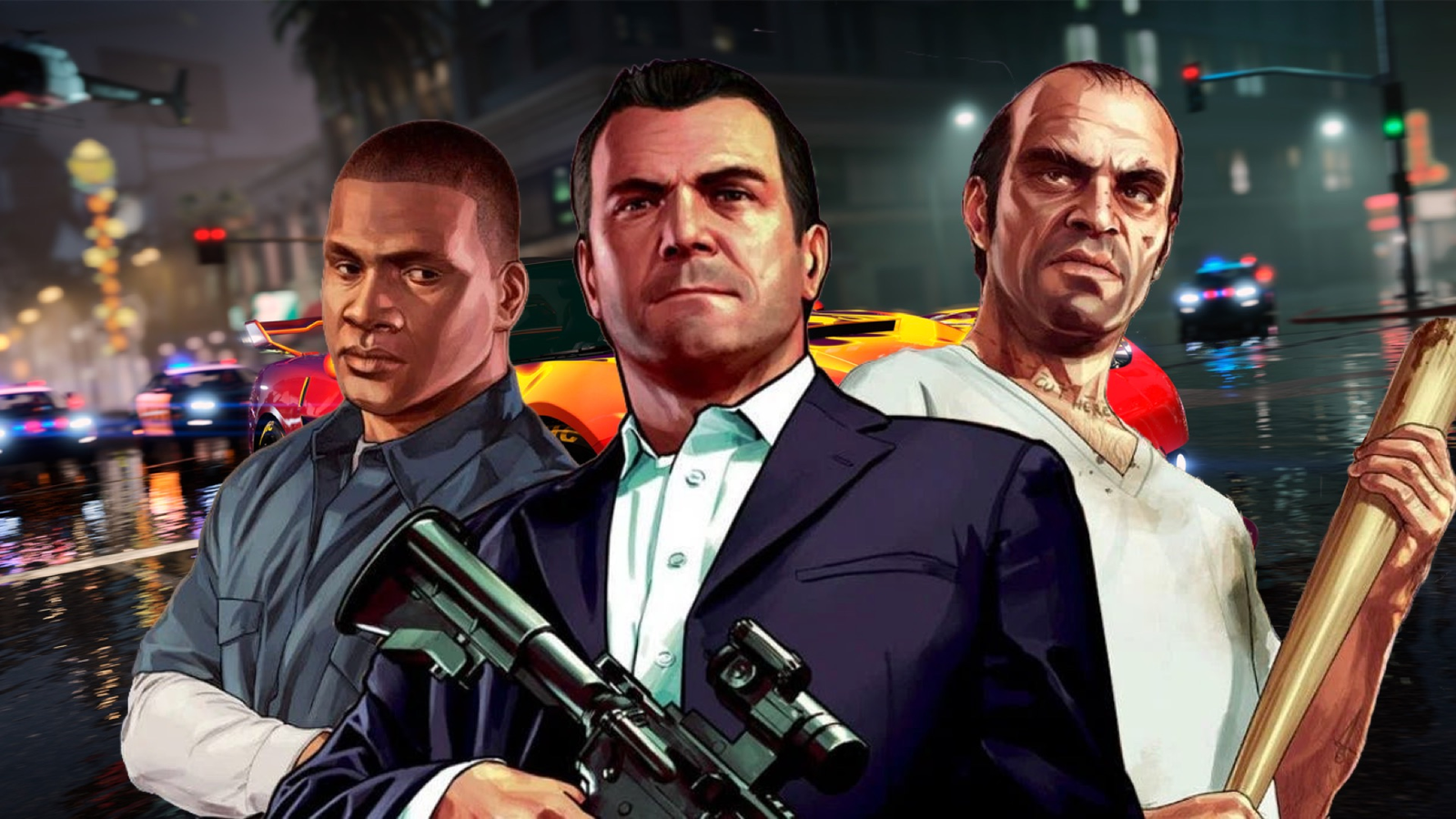
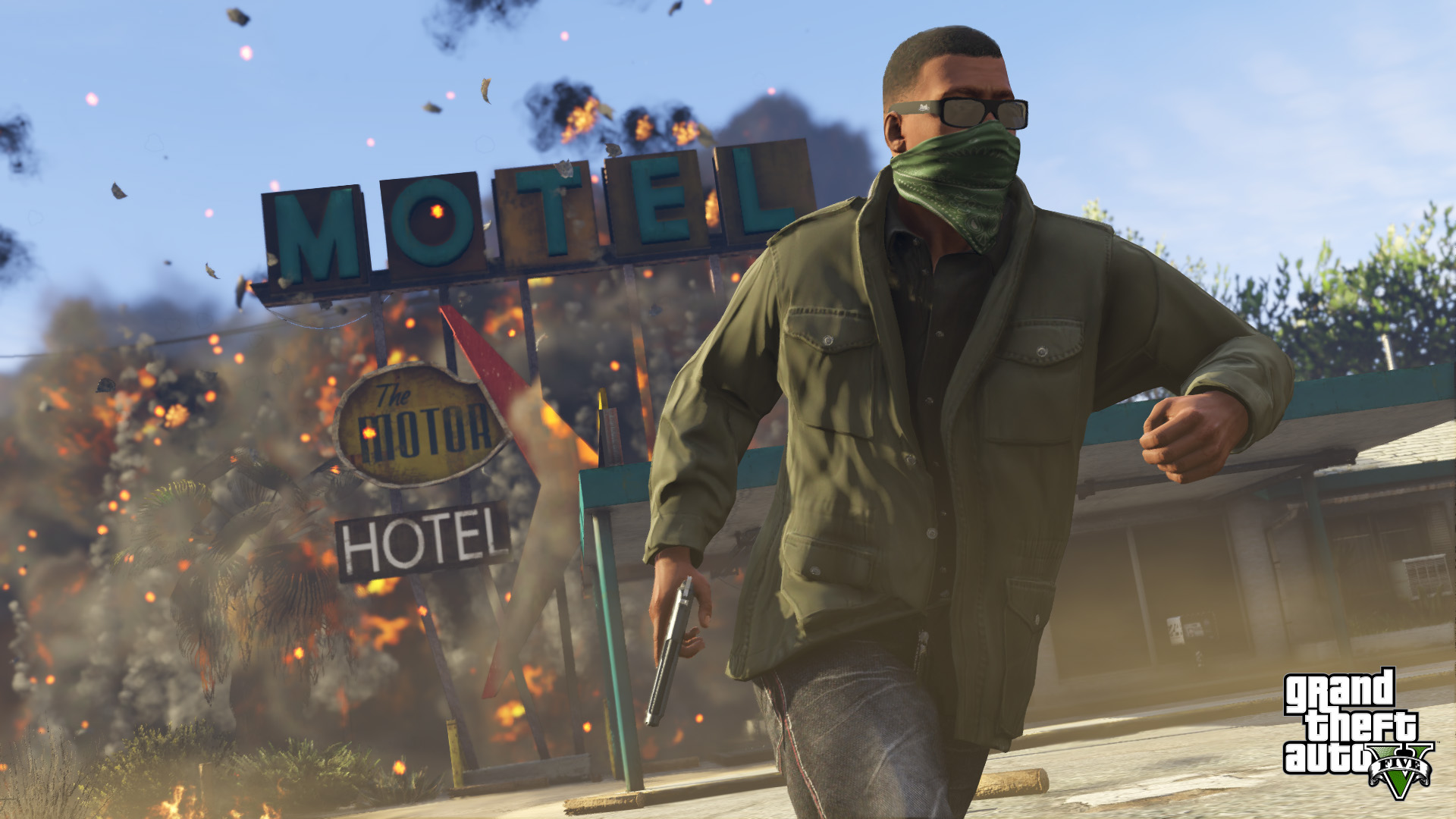
Franklin begins GTA V looking upward. He wants money, independence, better opportunities, and a life far removed from the small criminal jobs that seem capable of getting him killed without ever making him rich. Michael appears to have already reached the destination Franklin imagines. He has a large house, expensive cars, money, and enough distance from his old criminal life to spend afternoons beside a swimming pool. Then the game switches perspective and reveals that Michael is miserable.
Trevor complicates the picture further because he represents neither upward mobility nor comfortable retirement. He lives outside conventional ideas of success almost entirely. His environment is chaotic, his relationships unstable, and his behavior frequently horrifying, yet he possesses a kind of freedom Michael no longer has and Franklin believes wealth will eventually provide.
The three-character system works so well because switching protagonists is not merely a mechanical shortcut. It changes the meaning of Los Santos depending on whose life you enter. Franklin sees opportunities that might move him upward. Michael sees a city filled with things he already bought and still cannot enjoy. Trevor looks at the same world as something to exploit, destroy, or mock.
I found the most revealing moments were often ordinary character switches rather than major missions. Franklin might appear somewhere connected to work or personal ambition. Michael can be found drifting through the routines of a wealthy life that clearly does not satisfy him. Switching to Trevor is more unpredictable because his existence rarely seems organized around the same rules.
These contrasts prevent the campaign from becoming a straightforward rise-to-power story. Franklin’s ambition initially makes sense because his starting position is limited, but Michael quietly demonstrates that reaching the expensive house at the end of that climb does not necessarily solve anything. Trevor then destroys the assumption that conventional success was ever the only option available, although his alternative is hardly presented as healthy.
This tension gives GTA V more thematic coherence than its reputation for chaos sometimes suggests. Nearly everyone is pursuing money, status, influence, pleasure, or escape, yet very few characters appear satisfied after obtaining them. The game constantly rewards the player financially while surrounding those rewards with people who demonstrate how temporary that satisfaction can be.
GTA V is therefore not simply about three criminals working together. It is about three men standing at different points on the same argument over what a successful life is supposed to look like.
None of them provides a convincing answer.
2. Character Switching Solves a Problem Most Open-World Games Eventually Develop: You Become Too Comfortable With One Life
Open-world games often begin with discovery and gradually turn into routine. You learn the roads, understand the combat, accumulate money, acquire better equipment, and eventually become so familiar with the protagonist that every new activity passes through the same established playstyle. GTA V avoids part of that stagnation by allowing the player to abandon one life and enter another almost instantly.
The difference is not only created by special abilities. Franklin’s driving skill encourages confidence behind the wheel, Michael feels naturally suited to controlled gunfights, and Trevor can turn violent encounters into something much more reckless. Those mechanical distinctions matter, but the larger achievement is how each character changes the context surrounding the same basic systems.
Driving an expensive car as Michael feels ordinary because luxury already surrounds him. Franklin acquiring something similar carries a different meaning because vehicles and property are connected to visible upward movement. Trevor can make the same vehicle feel temporary, as though ownership matters less than whatever destructive purpose it serves for the next ten minutes.
The switching system also improves pacing. After spending a long stretch inside one storyline, moving to another character can refresh the campaign without requiring an entirely new map or mechanical reset. Relationships change, environments change, and the emotional tone shifts even though the player is still operating inside the same broader sandbox.
This becomes especially effective when storylines begin overlapping. The characters are not separate campaigns living beside one another. Their priorities collide. Michael’s desire for stability conflicts with the criminal behavior required to maintain his lifestyle. Franklin sees Michael as a possible route toward advancement while gradually recognizing the dysfunction behind the wealth. Trevor’s arrival forces unresolved history back into a life Michael had carefully constructed around pretending the past was finished.
The system is not perfect. Some character-specific activities are less interesting than others, and switching cannot completely disguise repetitive mission structures. Long drives, conventional shootouts, and heavily scripted sequences still appear often enough that parts of the campaign feel more restrictive than the open world surrounding them.
Even so, GTA V’s three protagonists remain one of its smartest design decisions because they prevent the player from becoming completely settled. Just when one character’s problems start feeling familiar, the game gives you another life with a different set of problems.
The city stays the same.
Your relationship with it does not.

3. The Heists Are Memorable Because They Let Money Feel Important Before the Game Eventually Makes It Almost Meaningless
Money drives nearly everyone in GTA V, which makes the heists feel like natural centers of gravity for the campaign. Characters argue about scores, opportunities, risk, crew members, and how much a job might finally change their circumstances. The player participates in planning, chooses approaches, assembles teams, and then watches carefully prepared operations collapse into the kind of controlled disaster the series handles exceptionally well.
What makes these missions memorable is not simply their scale. They create anticipation. A conventional mission often begins and ends within the same rhythm, while a heist can make several earlier actions feel connected to a larger objective. Acquiring equipment or making preparation decisions creates the sense that the eventual payoff belongs to a plan rather than appearing as another reward screen.
The irony is that money gradually loses emotional value as the campaign progresses. Early purchases require consideration. Later wealth can make financial decisions increasingly trivial, particularly once major payouts accumulate. This creates an interesting contradiction: the characters remain obsessed with money long after the player begins discovering that having more of it does not necessarily make the sandbox more interesting.
Buying a vehicle can feel exciting, but ownership alone rarely creates the best GTA V stories. The memorable part is usually what happens after taking that vehicle onto the road. Property provides progression, yet simply owning another building rarely competes emotionally with a pursuit that goes completely wrong or a mission plan that collapses unexpectedly.
The heists work because they temporarily reconnect money with consequence. A large score represents preparation, risk, narrative tension, and the possibility that something significant might change afterward. They make wealth feel earned rather than merely accumulated.
GTA V eventually reveals the limitation of its own economy. Once money stops being scarce, the desire to earn more becomes less rational, yet the game keeps giving players reasons to chase it.
That contradiction would later become even more pronounced in GTA Online.
4. GTA V Is Strangely Restrictive During Missions for a Game Built Around Doing Whatever You Want
One of GTA V’s most obvious contradictions becomes impossible to ignore after spending enough time with the campaign. Outside missions, the game encourages improvisation. You can steal almost anything, approach locations from unusual directions, create absurd police pursuits, abandon your original destination, or simply spend an hour doing something with no practical value.
Then a story mission begins and the freedom often narrows dramatically.
Certain objectives expect specific vehicles, routes, positions, or sequences of actions. Move too far away, abandon an expected approach, or try to solve a situation differently and the game may resist. For a sandbox built around player agency, some missions remain surprisingly committed to cinematic control.
This is not always a weakness. GTA V’s best scripted sequences work precisely because Rockstar controls timing carefully. Dialogue unfolds during drives, events trigger at specific locations, and elaborate set pieces maintain pacing because players cannot completely dismantle the structure.
The problem appears when the solution looks obvious but the game wants a different version of obvious. At those moments, the open world trains you to think creatively while the mission design quietly asks you to stop.
That tension explains why aimless sessions can sometimes feel more memorable than carefully authored missions. Outside the script, mistakes are allowed to become stories. A damaged getaway vehicle creates a new problem rather than automatically invalidating the sequence. Police interference can redirect an evening. An impulsive detour can become more entertaining than the objective you intended to complete.
The strongest GTA V missions find a compromise between authored spectacle and controlled freedom. Heists often succeed because preparation and execution give players at least some sense of ownership even when major sequences remain scripted.
The weaker missions expose how different the campaign and sandbox philosophies can be.
GTA V wants to direct an expensive crime movie.
It also wants to hand you the keys and let you ruin everything.
The game is at its best when those two instincts cooperate instead of fighting each other.

5. The Police System Works Best When It Turns a Bad Decision Into a Much Bigger Problem
Police in GTA V are not especially sophisticated when judged as individual opponents. Their value comes from escalation. A minor mistake can quickly become a citywide problem because the wanted system constantly increases the cost of staying visible, moving carelessly, or refusing to abandon a bad situation.
That escalation gives ordinary sandbox actions consequence. Stealing a car is simple until another crime happens nearby. A reckless collision becomes gunfire. Gunfire creates more attention. Within minutes, the original decision barely matters because the player is now managing helicopters, roadblocks, damaged vehicles, and increasingly limited escape routes.
The most enjoyable pursuits are rarely the ones planned in advance. They begin because something went slightly wrong and then continue because the player keeps refusing to surrender control. Finding a tunnel, switching vehicles, hiding beneath an overpass, or disappearing into rural terrain can become more engaging than the activity that caused the wanted level in the first place.
This system also reveals why Los Santos works so well as a gameplay space. Roads are not merely scenery between missions. Highways, alleys, storm drains, mountains, rail lines, and tunnels all become tools once police pressure begins. Familiarity with the map gradually changes survival from panic into improvisation.
There are limitations. Police behavior can become predictable, and the system sometimes relies more on relentless spawning than believable pursuit logic. At higher wanted levels, immersion can give way to mechanical endurance.
Still, the wanted system succeeds because it transforms consequence into entertainment. GTA V rarely punishes bad decisions by simply stopping the player.
It gives the mistake enough time to become a story.
6. Driving Is the Mechanic That Quietly Holds the Entire Game Together
GTA V contains shooting, flying, stealth, sports, property systems, heists, side activities, and countless distractions, yet driving remains the action connecting almost everything. Players spend enormous amounts of time behind the wheel not because every journey is exciting, but because movement through Los Santos is where the game’s different systems continuously collide.
Driving to a mission can become a police chase. A planned route can turn into an impulsive detour. A vehicle discovered by accident can become something you decide to keep, modify, or destroy within minutes. Even simple travel constantly exposes the player to radio dialogue, environmental details, traffic behavior, and opportunities to abandon the original objective.
The handling model deserves credit because it sits comfortably between realism and accessibility. Vehicles have enough weight and difference to create preferences, but the game rarely demands simulation-level discipline. Franklin’s special ability exaggerates that flexibility further by making aggressive driving feel almost like a separate skill set.
More importantly, driving controls pacing. Los Santos is large enough that distance creates transition without becoming completely exhausting. The player has time to absorb dialogue, notice changes between neighborhoods, or simply let the mood shift before arriving somewhere else.
Long drives can occasionally become repetitive, especially during missions that use travel mainly to deliver exposition. Yet removing them would change the emotional rhythm of the campaign dramatically. GTA V needs the space between events as much as it needs the events themselves.
Driving is where the player spends time thinking about what just happened and what they intend to do next.
In a game famous for explosions and heists, its most important mechanic may simply be moving from one problem to another.

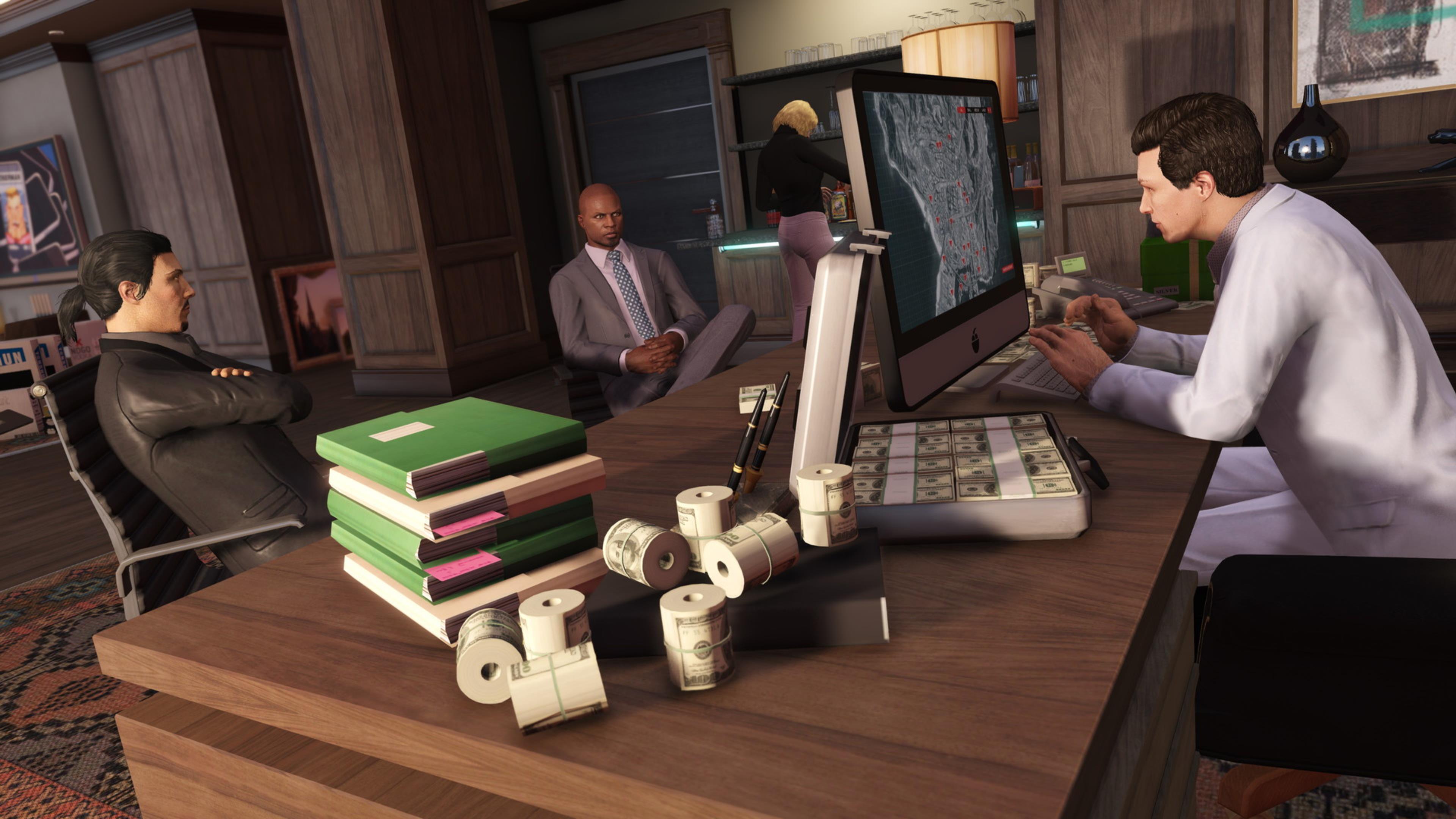
7. GTA Online Turns the Dream of Becoming Rich Into an Endless List of Things That Still Cost More Money
The campaign gradually reaches a point where wealth loses urgency. GTA Online solves that problem by making financial ambition effectively permanent. There is always another vehicle, property, business, weapon, upgrade, or activity waiting to convert accumulated money back into desire.
At first, this creates excellent long-term motivation. A new business can unlock another routine. A better vehicle changes how missions are approached. Properties become functional spaces rather than purely cosmetic rewards. Progression feels connected to ownership, and ownership creates visible evidence that an account has developed over time.
The problem is that abundance eventually becomes maintenance. Earning money can shift from exciting opportunity to economic obligation, particularly for solo players trying to access expensive content efficiently. The gap between what looks interesting and what is realistically affordable can encourage repetitive grinding far more aggressively than the single-player campaign ever does.
This creates a strange evolution of GTA V’s original themes. Michael already demonstrates that having wealth does not necessarily produce satisfaction. GTA Online takes that idea even further by ensuring wealth never feels complete because the economy can always create another reason to spend.
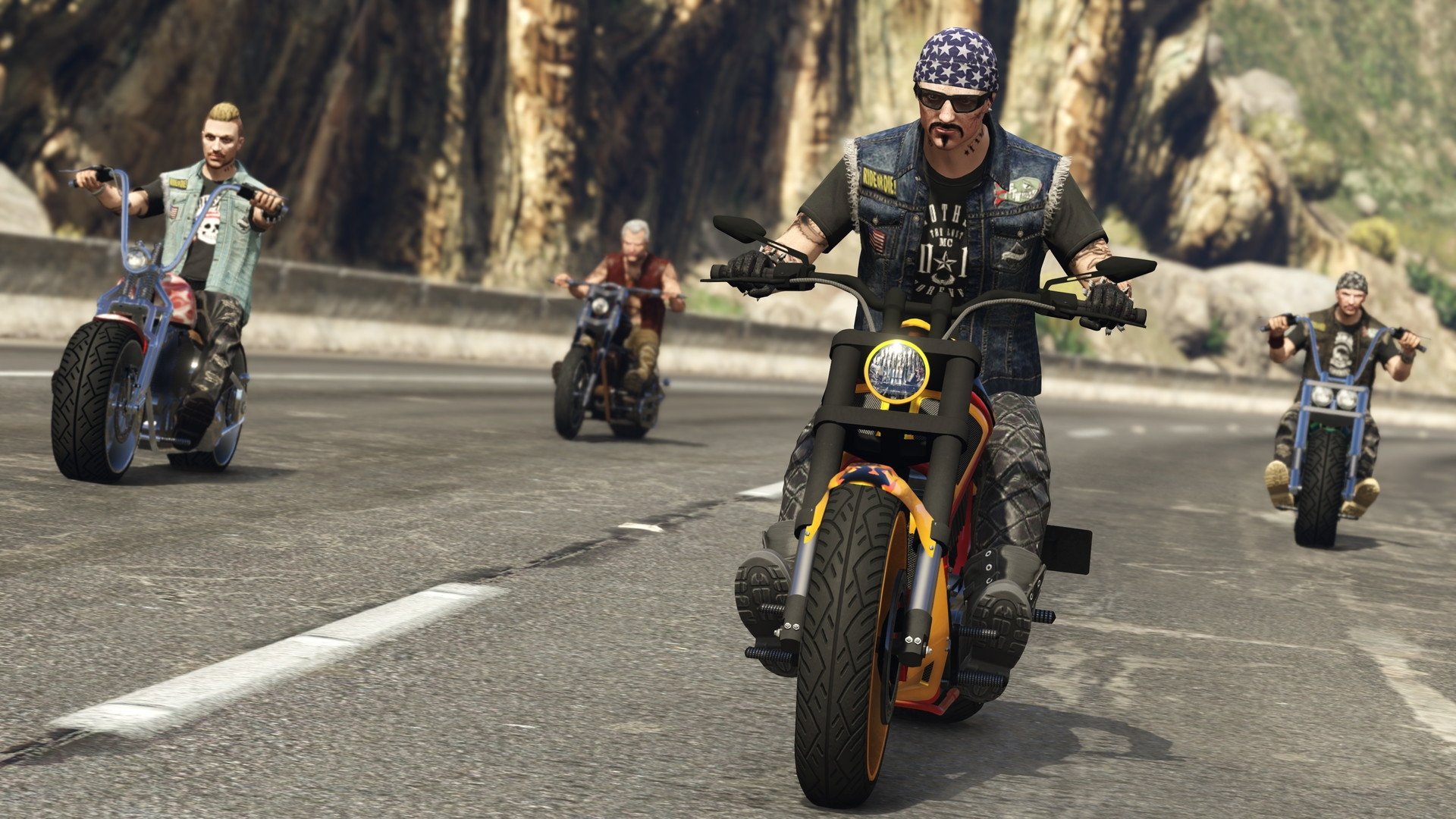
The social side partly offsets this. Playing heists with friends, organizing races, experimenting with vehicles, or simply creating chaos together often produces more memorable sessions than maximizing hourly income. The game becomes less exhausting once money stops being treated as the only measurement of progress.
GTA Online has lasted because it provides systems that support many different kinds of play. It can be a business simulator, racing game, cooperative heist platform, social space, competitive arena, or completely unserious sandbox depending on the group.
Its greatest weakness is that progression sometimes convinces players they must work before they are allowed to have fun.
Its greatest strength is that the best moments usually happen when they forget that rule.
8. GTA V Is Still Worth Playing in 2026 Because Its Age Is Visible Without Destroying What Made It Work
GTA V can no longer hide its age completely. Character animation can look stiff beside newer open-world games, some NPC behavior feels limited, mission structure occasionally appears overly scripted, and certain side activities reveal design assumptions from another generation.
Combat is functional rather than exceptional. Shooting lacks the precision of dedicated action games, stealth is inconsistent, and the open world contains more inaccessible interiors than its density sometimes suggests. Parts of the humor have also aged unevenly, especially when satire depends more on shock than observation.
Yet the foundation remains unusually strong.
The three-character structure still gives the campaign a rhythm few open-world games have copied successfully. Driving remains enjoyable enough to carry enormous amounts of travel. Heists create memorable peaks, while the sandbox continues generating accidental stories between scripted missions. Los Santos still feels geographically coherent because its districts are connected by social identity as much as visual design.
More importantly, GTA V understands that open-world freedom is not simply the number of activities available. Freedom comes from the ability to ignore those activities and still have something interesting happen.
You can spend an evening accomplishing almost nothing and still leave with a story about a failed chase, an absurd crash, a random encounter, or a detour that lasted far longer than expected.
That quality has survived technological aging.
GTA V remains worth playing in 2026 not because every system is still modern, but because the systems continue colliding in ways that feel entertaining.
The game has aged.
Its ability to create stories from bad decisions has not.

Conclusion
GTA V is often remembered as a game about crime, freedom, and chaos, but its campaign becomes more interesting when viewed as a story about people who keep confusing progress with satisfaction. Franklin wants upward mobility. Michael already reached a version of success and finds it empty. Trevor rejects conventional success while remaining trapped by his own impulses.
The gameplay constantly reflects that contradiction. Heists make money feel important, then late-game wealth reduces its meaning. The open world promises complete freedom, while story missions sometimes control the player tightly. GTA Online offers endless ownership while ensuring there is always something else to buy.
Those contradictions should make the game feel incoherent.
Instead, they often make it more honest.
GTA V understands that people can spend enormous effort chasing goals without becoming happier once those goals are reached. It wraps that idea inside car theft, satire, gunfights, radio comedy, expensive property, and spectacular criminal disasters.
Its age is visible now, but the design still works because the best part of GTA V was never technological novelty alone.
It was the feeling that one decision could send the next hour somewhere you never intended to go.
Frequently Asked Questions
Is GTA V still worth playing in 2026?
Yes. Some mechanics and animations show their age, but the campaign, character switching, heists, driving, open-world design, and emergent sandbox interactions remain highly enjoyable.
Which GTA V protagonist is the best to play?
Each character serves a different purpose. Franklin is strongest for controlled driving, Michael offers more precision during gunfights, and Trevor is built around aggressive combat. Their narrative differences matter as much as their abilities.
Are the heists the best part of GTA V?
They are among the campaign’s strongest missions because preparation, crew selection, scale, and payoff create more anticipation than ordinary story objectives. They also connect money directly to risk and planning.
Does GTA V feel outdated now?
In some areas, yes. NPC behavior, animation, combat precision, mission restrictions, and certain side activities can feel dated compared with newer games. The world design and sandbox interactions remain much stronger than many of those aging systems.
Is GTA Online good for solo players?
It can be, but progression often becomes more demanding when playing alone. Certain businesses and activities are easier or more enjoyable with other players, while expensive content can require significant grinding.
Why is driving so important in GTA V?
Driving connects nearly every major system. It controls pacing, encourages exploration, supports police pursuits, delivers mission dialogue, and gives players countless opportunities to abandon their original plan.
Does GTA V have meaningful replayability after finishing the story?
Yes. Players can revisit missions, explore different heist approaches, complete side content, experiment with the sandbox, or move into GTA Online. Replayability comes as much from unscripted behavior as from formal objectives.
What makes GTA V different from newer open-world games?
Its biggest advantage is how naturally its systems interact. Traffic, police, vehicles, pedestrians, missions, random events, and player mistakes constantly overlap, creating situations that feel less predictable than simply following map markers from one activity to another.