




1. Adopt Me! Becomes Much More Interesting Once You Realize Value Is Negotiated, Not Fixed
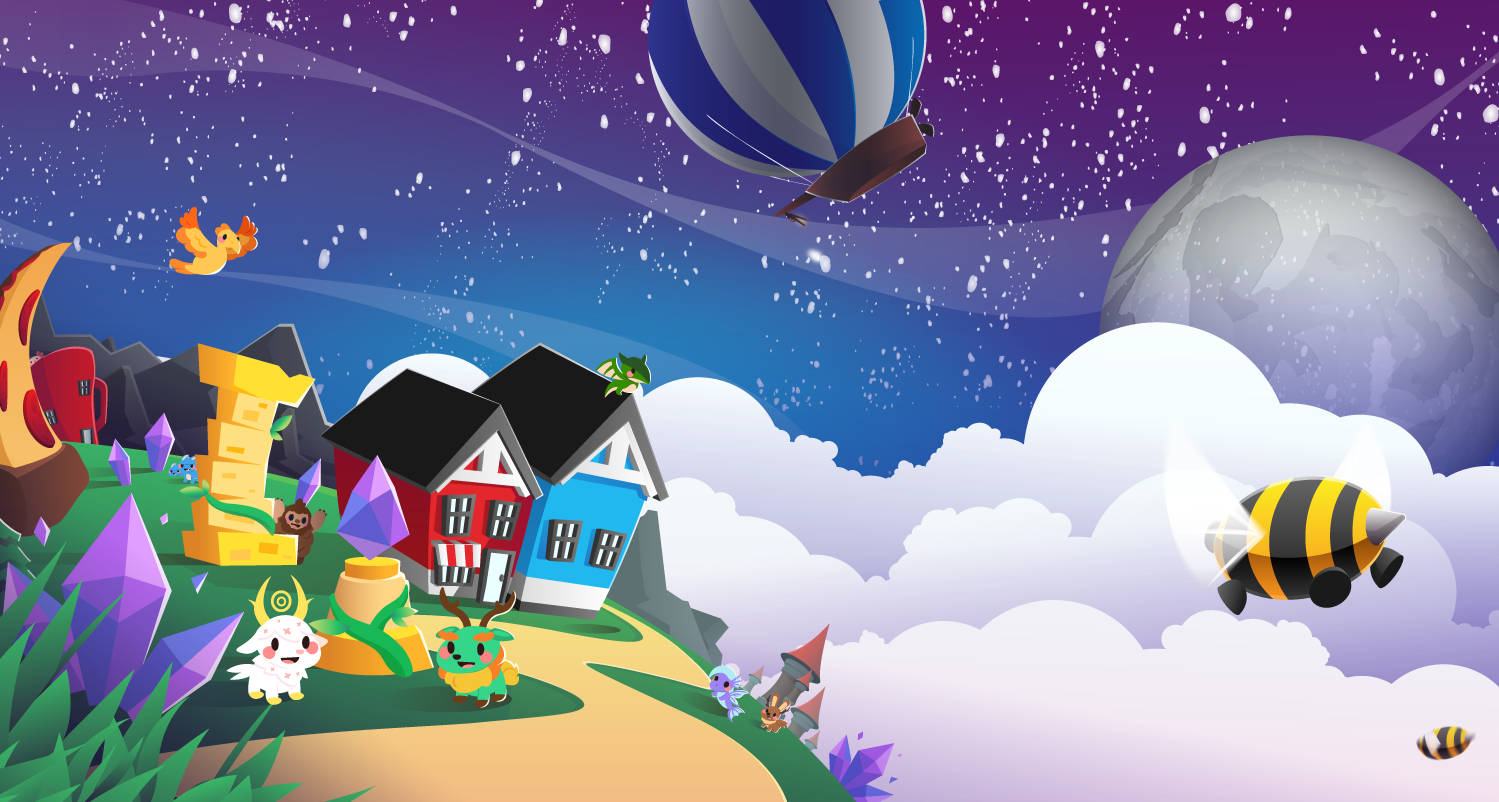
Adopt Me! introduces pets through familiar systems where rarity suggests importance, but that only explains part of the story. In practice, value is shaped by players. A rare pet may receive little attention, while another becomes highly desired due to appearance, nostalgia, or demand trends. The game controls how items enter circulation, but the community decides what happens next. New players often expect fixed values, yet trades depend on personal goals. A collector may value one pet far more than someone with duplicates, and emotional attachment can outweigh logic. Value remains subjective, and while data can explain trends, it cannot explain why someone refuses to trade a pet they have kept for years.
2. Raising Pets Gives Ordinary Tasks Economic Meaning Without Making Them Mechanically Complex
Pet care tasks like feeding or sleeping are simple, but they contribute to long-term goals. Repetition turns into progress through aging, making small actions meaningful over time. Players raise pets for different reasons: personal attachment, preparation for trading, or completing collections. This flexibility gives routine gameplay purpose, though it can become repetitive. Some players optimize efficiency, others enjoy the process, and some focus only on the outcome. Despite its simplicity, the system works because each action connects to something larger, meaning you are rarely completing tasks without a broader goal in mind.

3. Trading Is Really a Test of Patience More Than a Test of Knowing Prices
Knowing values helps, but patience matters more. The first offer is rarely the best, and a fair trade may still not suit your goals. New players often rush decisions due to pressure, leading to mistakes driven by excitement. Experienced traders think carefully about demand, usefulness, and future trade potential. Liquidity is important, as some items are valuable but hard to trade, while others are easier to exchange despite lower value. Trading is not just about numbers; it is about timing, judgment, and understanding when value alone is not enough.
4. Limited Events Change Player Behavior Before Anyone Knows What the Rewards Will Be Worth Later
Limited events create urgency because rewards may disappear. Players must decide whether to invest time without knowing future value. Some collect everything expecting profit, others focus on personal preference, and some ignore events entirely. This uncertainty makes events exciting but also stressful. Scarcity encourages participation, yet it can create fatigue if players feel forced to keep up. Events work best when they motivate players without making absence feel like a loss, preserving memories rather than creating pressure.

5. Houses Matter Because They Let Players Remove Items From the Economy of Comparison
Unlike pets, houses do not have fixed value. They reflect creativity rather than rarity, allowing players to express themselves freely. Building offers a break from collection pressure, as progress is measured by personal satisfaction instead of market demand. Homes also enhance social interaction, turning private spaces into shared experiences. The best houses are not necessarily expensive but meaningful, showing the builder’s intent and personality.
6. Collections Become Harder to Finish Because Every Player Defines “Complete” Differently
Adopt Me! has no single endgame because players define completion differently. Some aim for full collections, others focus on specific themes or dream pets. This flexibility creates long-term engagement but also endless goals. Progress often leads to new ambitions, making “completion” constantly shift. The game succeeds because it allows players to decide what matters, ensuring that goals remain personal rather than fixed.

7. Social Status Exists, but the Game Is More Interesting When Players Stop Treating Every Interaction as a Competition
Rare items create visible status, which can inspire or discourage players. Seeing advanced collections may motivate beginners but also create comparison pressure. The game is more enjoyable when interactions go beyond status, including roleplay, exploration, and casual socializing. Trading is important, but it should not dominate every interaction. The best moments often come from shared experiences rather than economic exchanges.
8. Adopt Me! Is Worth Playing in 2026 Because Players Keep Redefining What Progress Means
Adopt Me! remains engaging because players constantly change their goals. Beginners focus on basic pets, while experienced players specialize in trading, collecting, or building. This variety prevents the game from becoming repetitive despite simple mechanics. However, weaknesses remain, including repetitive tasks, confusing values, and pressure from limited events. Despite this, the game stays compelling because progress is defined by players, not just systems. Your inventory, house, and personal choices all tell different stories.

Conclusion
Adopt Me! works because value is flexible. A pet can represent progress, memory, status, or personal preference. The game provides structure, but players create meaning. Demand shifts, trends change, and goals evolve, keeping the experience dynamic. While mechanics are simple, the real complexity lies in deciding what matters. Whether collecting, trading, or building, there is no single correct path, and that freedom is what keeps the game alive.
Frequently Asked Questions
Is Adopt Me! worth playing in 2026?
Yes, especially for players who enjoy collecting, trading, and social interaction, though those seeking complex gameplay may find it too simple.
Why do pet values change so much?
Values depend on demand, availability, trends, and player preferences, not just rarity.
Is the rarest pet always the most valuable?
No, demand and personal preference often matter more than rarity.
Is trading necessary to enjoy Adopt Me!?
No, players can focus on collecting, building, or social activities instead.
Why can trading be difficult for beginners?
Because there is no fixed pricing system, and understanding value takes time.
Are limited events important?
Yes, they introduce exclusive content, but players should avoid feeling forced to participate.
What makes housing useful beyond decoration?
It allows creativity, social interaction, and personal expression without relying on rarity.
What gives Adopt Me! long term replayability?
Changing goals and player-driven value systems keep the game engaging over time.