


1. Blue Lock Rivals Turns Every Match Into a Battle Between Ego and Teamwork
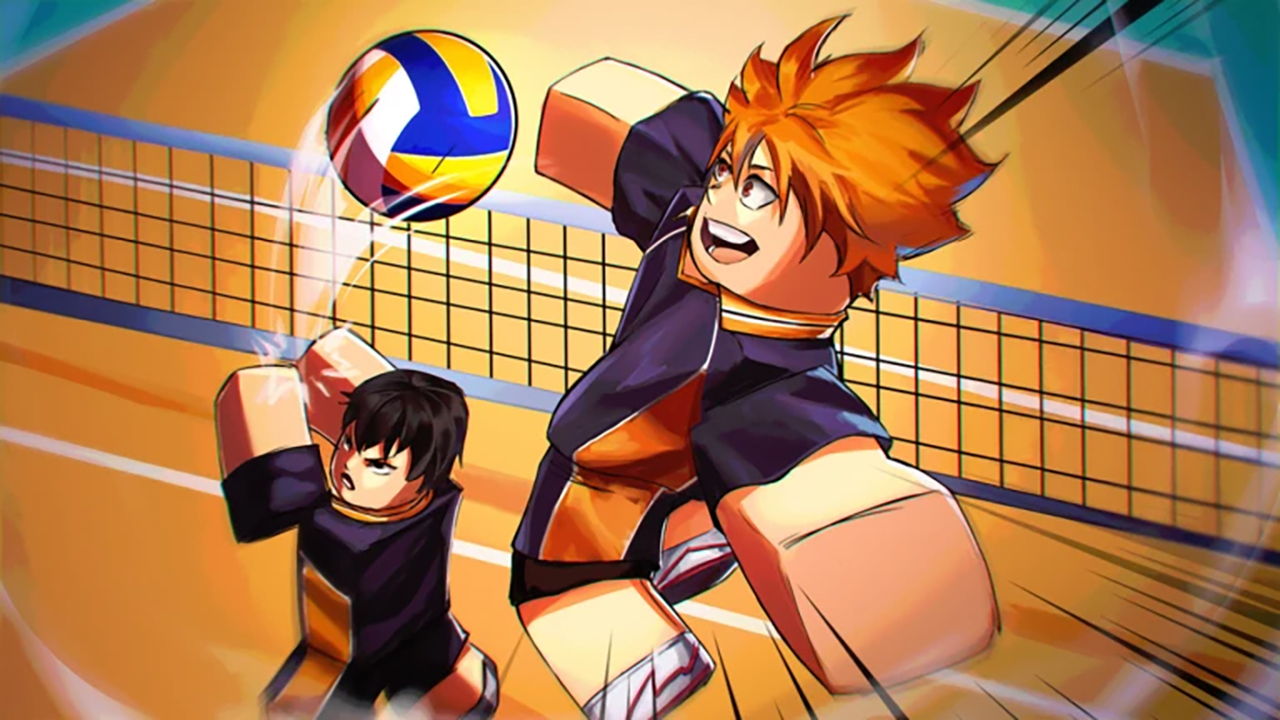
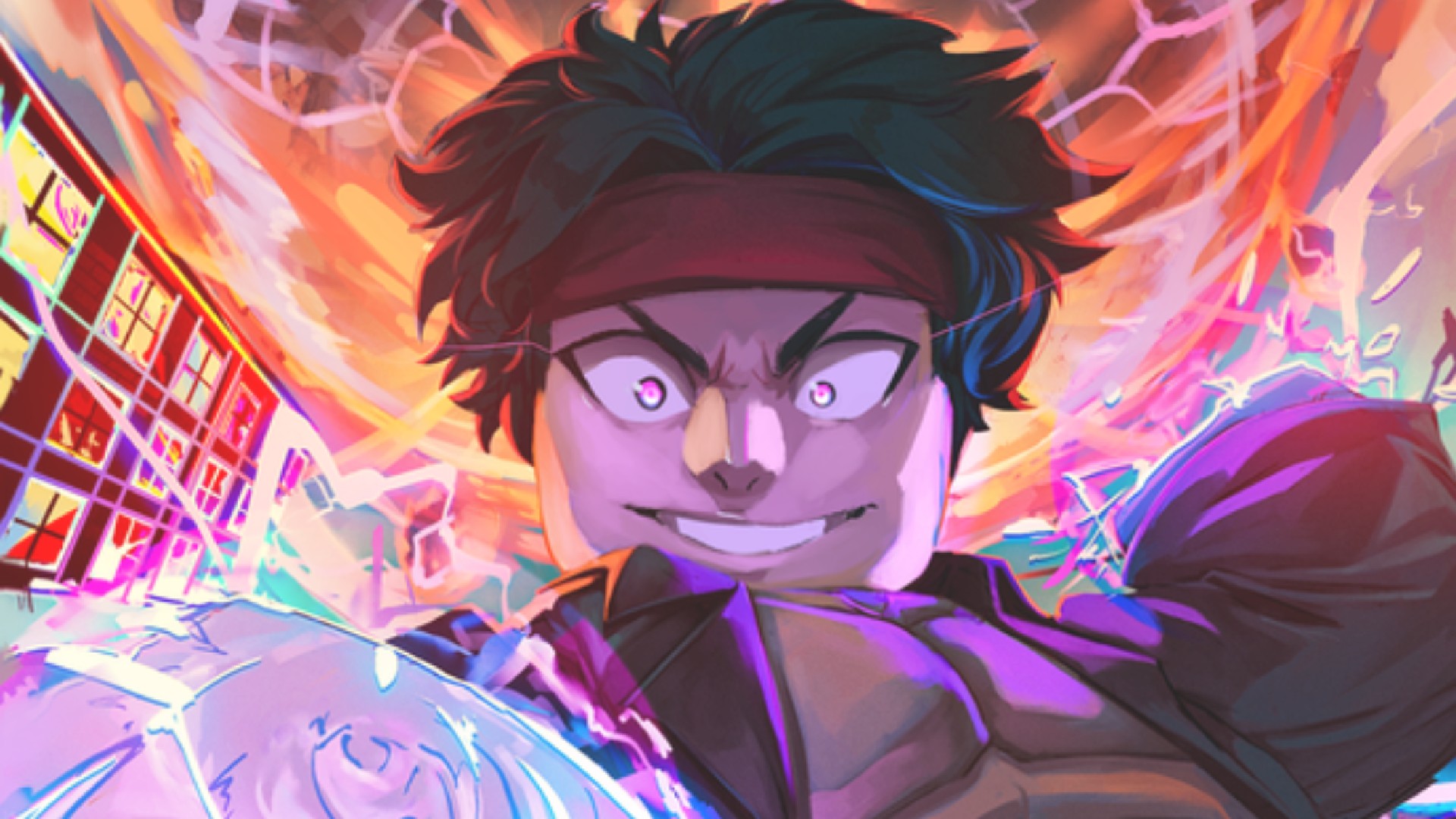
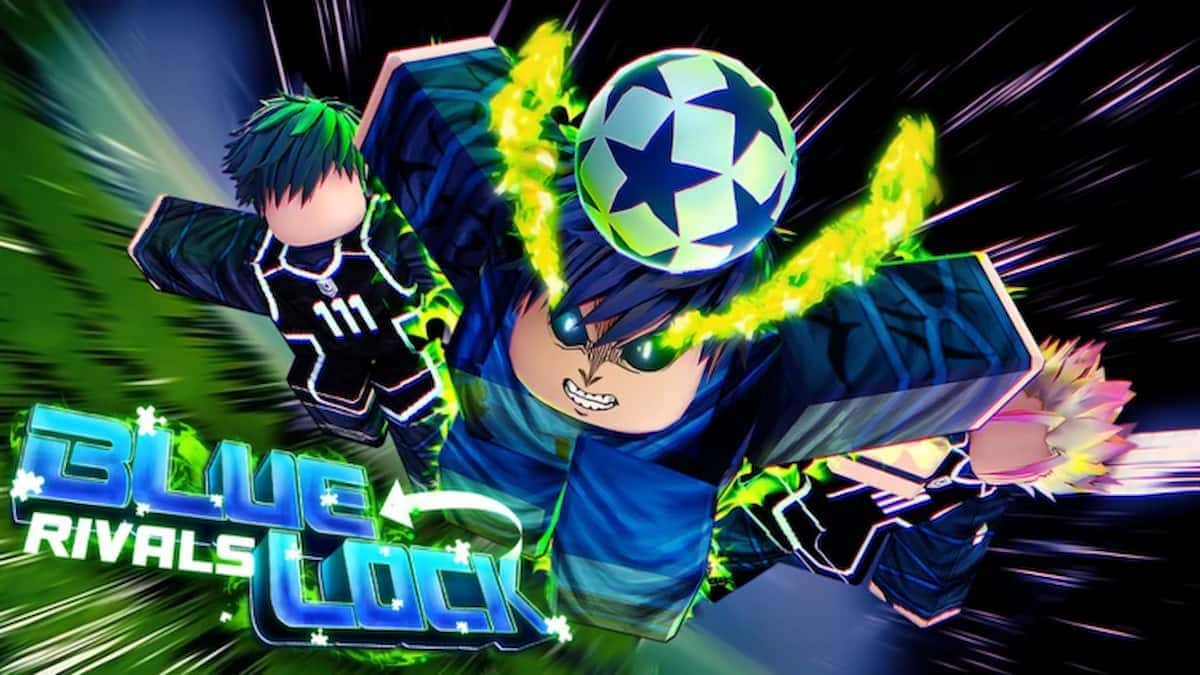
My first few matches in Blue Lock Rivals felt less like traditional soccer and more like trying to survive inside an anime highlight reel. Players exploded across the pitch with sudden dashes, glowing effects, exaggerated shots, and enough visual chaos to make it difficult to understand where the ball had gone. At first, I assumed the game would be mostly spectacle. Then someone intercepted a pass, waited half a second for the defense to collapse inward, and slipped the ball into open space for a perfectly timed finish. That was the moment I realized there was much more happening beneath the noise.
Blue Lock Rivals works because it understands the fantasy its inspiration is built around. Everyone wants to be the striker who scores the decisive goal. Everyone wants the highlight. The problem is that a team full of players chasing their own moment usually becomes incredibly easy to beat. I learned that quickly after wasting several promising attacks by taking shots from terrible angles instead of making the obvious pass.
That tension between individual brilliance and teamwork gives matches their personality. A selfish play can occasionally produce something spectacular, but good opponents punish predictable aggression. Players who understand spacing, movement, and when to release the ball consistently create better opportunities than those who simply chase possession.
The exaggerated presentation also helps every important moment feel larger than it really is. A clean tackle can suddenly start a counterattack, one mistimed challenge can leave the defense completely exposed, and a simple pass into open space can feel more satisfying than the flashiest solo ability. Blue Lock Rivals may look chaotic from the outside, but its best matches reveal a surprisingly clear truth: knowing when not to be the main character is often what gives you the best chance to become one.
2. Styles and Flows Change More Than Your Abilities, They Change How You See the Pitch
The first time you unlock a new Style in Blue Lock Rivals, it is tempting to judge it entirely by how flashy the abilities look. I did exactly that. Anything with explosive movement or a powerful finishing move immediately seemed stronger than a build focused on control, defense, or passing. After enough matches, that assumption started falling apart. The best Style is rarely the one with the most dramatic animation. It is the one that actually fits how you read the game.
Some builds naturally encourage direct attacking. They reward players who create space quickly, challenge defenders, and look for shooting opportunities before the defense resets. Others work better when you slow the match down, hold possession, or help create openings for teammates. Flows add another layer by temporarily enhancing performance and changing how confidently you can approach important moments. Used well, they can completely alter the rhythm of a possession. Used carelessly, they disappear without creating anything meaningful.
What surprised me most was how differently the same match felt after changing builds. With an aggressive Style, I constantly looked for runs behind defenders. With a more control-oriented setup, I started noticing passing lanes and midfield pressure that I had previously ignored. The abilities had changed, but so had my decision-making.
That variety gives progression real value because unlocking something new doesn't simply increase a number. It introduces another way to understand the pitch. Players who constantly chase whichever Style currently dominates the meta may find temporary success, but long-term improvement comes from learning why a build works and recognizing the situations where it becomes vulnerable.
Blue Lock Rivals becomes much more interesting once Styles and Flows stop feeling like collectibles and start feeling like tactical identities. The strongest players aren't merely activating powerful abilities. They're shaping every possession around what their build allows them to do best.

3. Good Players Stop Chasing the Ball and Start Predicting Where the Match Is Going
Almost every beginner in Blue Lock Rivals makes the same mistake: following the ball everywhere. It feels natural because possession appears to be the only thing that matters. I spent plenty of early matches sprinting from one side of the pitch to the other, arriving late to challenges and wondering why experienced players always seemed to have more space. Eventually, I realized they weren't moving faster. They were moving earlier.
That difference completely changes the game. Strong players pay attention to where pressure is developing instead of simply reacting to the current ball carrier. They notice when a defender is about to commit, recognize which passing lane will open next, and move into useful space before everyone else understands why it matters. Sometimes the smartest contribution is making a run without touching the ball at all.
One late-night match made that lesson obvious. Our team had spent most of the game crowding possession and repeatedly losing the ball. I stopped joining every challenge and began staying wider instead. Within minutes, passing options appeared that had never existed before because someone was finally stretching the defense instead of adding another body to the same crowded area. The game suddenly felt slower, even though nothing about its actual pace had changed.
Positioning matters defensively too. A perfectly timed tackle looks impressive, but preventing the pass that creates the chance is often more valuable. Experienced defenders understand spacing well enough to make attackers uncomfortable before committing to a challenge.
This is where Blue Lock Rivals develops genuine competitive depth. Reaction speed still matters, and abilities can absolutely decide important moments, but anticipation separates players who occasionally create highlights from those who consistently control matches. Beginners see ten players chasing one ball. Veterans see the next three seconds before they happen.
4. The Best Goals Usually Begin With a Decision Nobody Notices
Blue Lock Rivals naturally celebrates spectacular finishes, but after enough matches, I started appreciating the moments that happen several seconds before the shot. A smart interception near midfield, a defender dragging an opponent out of position, or a simple early pass can create more value than any flashy ability. The final goal gets the attention, but the real advantage is often created long before the ball reaches the box.
One of my favorite matches ended with a goal that looked completely ordinary. There was no dramatic solo run and no impossible shot from distance. A teammate recovered possession, moved the ball quickly, and I made a run wide enough to pull one defender away. The next pass went through the space that opened behind me, and another player finished the move. I never touched the ball during the entire attack, yet it was one of the clearest examples of how positioning can shape a goal.
That kind of play is easy to overlook because the game constantly encourages players to chase individual highlights. The Blue Lock fantasy is built around ego, and the mechanics support aggressive moments of personal brilliance. Still, the strongest teams understand that ego works best when it has structure around it.
Good passing doesn't mean avoiding ambitious plays. It means choosing the right moment for them. A player who constantly shoots becomes predictable. A player who sometimes passes forces defenders to hesitate, and that hesitation creates space later.
This is where Blue Lock Rivals becomes much more rewarding than it initially appears. The game still delivers flashy goals and dramatic abilities, but the deeper satisfaction comes from understanding why an attack succeeded. Sometimes the most important decision in a goal is the one that never appears in the highlight.

5. Selfish Players Can Win Highlights, but They Rarely Control Entire Matches
Few games make selfish play look as tempting as Blue Lock Rivals. The entire presentation encourages you to believe the next possession could become your defining moment. You receive the ball, see defenders ahead, and immediately imagine beating everyone before scoring alone. Occasionally, that works. More often, the defense closes, possession disappears, and the counterattack begins before you've finished wondering why nobody supported you.
I've played with teammates who attempted the same solo move almost every possession. The first few attempts looked ambitious. By the fifth, the opposing team had completely adjusted. Defenders stopped committing early, passing lanes disappeared, and every attack became easier to predict. The player still looked dangerous individually, but the team had become weaker because everyone knew exactly what was coming.
The best attackers are far less predictable. They know when to challenge a defender, when to release the ball immediately, and when to hold possession long enough for teammates to move. That balance creates uncertainty, which is far more valuable than simply having a powerful Style.
This tension fits the spirit of Blue Lock surprisingly well. Ego is useful when it creates confidence. It becomes destructive when it turns into tunnel vision. Players who understand that distinction are usually the ones who influence matches consistently rather than producing one impressive goal followed by several wasted possessions.
Teamwork doesn't remove individual expression. In many cases, it creates better opportunities for it. A smart pass can earn the ball back in a stronger position, while coordinated movement can isolate a defender and make a difficult shot much easier.
The game is at its best when players learn that being the decisive striker doesn't require touching the ball every second. Sometimes the smartest way to become the hero is to trust the play long enough for the right moment to arrive.
6. The Skill Gap Becomes Obvious When Players Learn Timing Instead of Relying on Abilities
Blue Lock Rivals can feel extremely ability-driven during the first few hours. Powerful Styles, dramatic Flows, and explosive animations make it easy to assume that winning mostly depends on having the better build. That impression disappears quickly once you start facing players who understand timing. They rarely waste abilities the moment they become available. Instead, they wait for pressure, bait mistakes, and use their strongest tools only when the situation actually favors them.
I learned this the hard way against players who seemed impossible to tackle. At first, I blamed their Style. After several matches, the pattern became obvious. They were not simply faster or stronger. They were waiting for defenders to commit before accelerating, holding the ball just long enough to force a challenge, then using movement skills after the space opened. The ability was powerful, but the real advantage came from the decision that created the opening.
The same principle applies when defending. Panic tackles are easy to punish, especially against experienced attackers who expect aggression. Holding position for one extra second can be more effective than immediately diving toward the ball. That patience forces attackers to reveal their intention instead of giving them the reaction they want.
Flows also become more meaningful at higher skill levels. Activating one at the wrong time may produce almost nothing, while using it during a decisive possession can shift momentum completely. Good players understand that temporary power matters most when paired with the right situation.
This is why the skill gap in Blue Lock Rivals feels so visible. Beginners use abilities because they can. Veterans use them because they know exactly what will happen next. That difference turns what initially looks like chaotic anime soccer into a game of timing, pressure, and prediction.

7. Short Matches, Meta Changes, and Unpredictable Players Give Blue Lock Rivals Strong Replayability
The strongest reason Blue Lock Rivals remains easy to replay is that matches rarely demand a huge time commitment. You can queue for a quick session, play a few games, and still feel like something meaningful happened. That low barrier makes returning effortless, but the real longevity comes from how differently each lobby behaves.
Some teams immediately understand passing and spacing. Others collapse into five players chasing the ball while everyone silently competes to become the main character. One match can feel organized and tactical, while the next becomes complete chaos. That unpredictability keeps familiar mechanics from becoming completely routine.
Build variety adds another layer. Styles and Flows encourage experimentation because changing your setup can alter how you approach possession, defense, movement, and finishing. A build that feels awkward at first may become extremely effective once you understand its rhythm, while a popular meta option may not suit your instincts nearly as well as expected.
Community discussion also keeps the game evolving. Tier lists, Style comparisons, Flow rankings, update reactions, and gameplay clips constantly influence how players think about the meta. Strategies spread quickly, which means techniques that once surprised opponents eventually become common knowledge. Staying effective therefore requires adaptation rather than simply memorizing one successful approach.
That changing environment gives experienced players another reason to return. Improvement is not limited to mechanical skill. It also involves understanding how other players think, how popular builds are being used, and which habits are becoming predictable.
Blue Lock Rivals has flaws, but repetition rarely comes from the game offering exactly the same match twice. The real variable is always the people on the pitch. Sometimes they create brilliant teamwork. Sometimes they create absolute nonsense. Both can be memorable for completely different reasons.
8. Is Blue Lock Rivals Worth Playing in 2026? Yes, If You Enjoy Competitive Soccer With Personality
After enough matches, Blue Lock Rivals stops feeling like a simple anime-inspired Roblox game and starts revealing why so many players stay invested in it. The flashy abilities are what attract attention first, but they are not what gives the game lasting value. The deeper appeal comes from learning how to control space, predict movement, choose the right moment to attack, and understand when an individual play helps the team instead of hurting it.
That balance between ego and cooperation gives the game a personality that most sports experiences never achieve. You are constantly encouraged to create decisive moments, yet the best results usually come when confidence is supported by awareness. A perfectly timed solo run can win a match, but so can a simple pass made half a second earlier. The game rewards both brilliance and restraint, even if its presentation always tries to convince you that the next highlight belongs to you.
There are legitimate weaknesses. Balance can shift heavily when certain Styles or Flows become dominant, visual effects sometimes make crowded situations difficult to read, and new players may feel overwhelmed by experienced opponents and progression systems. Matches can also become frustrating when nobody wants to pass and every possession turns into another failed solo attempt.
Even with those flaws, Blue Lock Rivals remains one of Roblox’s more distinctive competitive sports games in 2026. It is fast enough for casual sessions, deep enough to reward improvement, and unpredictable enough that every lobby feels different. Players who enjoy anime-inspired competition, build experimentation, and the satisfaction of gradually learning how to influence an entire match will find plenty to keep returning for.
The best moments are not always the spectacular goals. Sometimes they are the instant when you finally recognize the pass before it happens, intercept it cleanly, and realize you are no longer reacting to the game. You are reading it.

Conclusion
Blue Lock Rivals succeeds because it transforms soccer into something more emotional, exaggerated, and personal without completely losing the strategic ideas that make team sports compelling. Styles and Flows create variety, but positioning, timing, passing, prediction, and decision-making are what ultimately separate good players from everyone else.
Its most satisfying progression does not come from simply unlocking rarer abilities. It comes from noticing that you are making smarter runs, wasting fewer possessions, reading defenders earlier, and understanding when to take control instead of forcing a highlight. That improvement feels especially rewarding because the game gives players constant opportunities to test themselves against unpredictable opponents.
The experience is not perfectly balanced, and chaotic teammates can make some matches feel more frustrating than competitive. Yet when the right players meet on the same pitch, Blue Lock Rivals creates matches full of tension, personality, mistakes, comebacks, and sudden moments of brilliance.
For players who want realistic soccer simulation, this is probably not the right game. For those who want fast 5v5 competition where every possession feels like an opportunity to prove something, Blue Lock Rivals remains one of Roblox’s most memorable sports experiences in 2026.
Frequently Asked Questions
Is Blue Lock Rivals worth playing in 2026?
Yes. It remains a strong choice for players who enjoy fast competitive matches, anime-inspired soccer, build experimentation, and a noticeable skill curve built around positioning, timing, and decision-making.
Are rare Styles automatically better in Blue Lock Rivals?
Not always. Higher-rarity Styles can offer powerful tools, but effectiveness depends heavily on how well they match your playstyle and how intelligently you use their abilities. A player who understands positioning and timing can often outperform someone relying only on rarity.
What are Styles and Flows?
Styles define much of your core play identity by giving you specific abilities and strengths, while Flows provide temporary performance boosts that can influence important moments during a match. Learning how the two systems complement each other is a major part of progression.
Is Blue Lock Rivals difficult for beginners?
The basic objective is simple, but new players may struggle with experienced opponents, fast movement, ability timing, and the number of builds available. The learning curve becomes much easier once you stop chasing the ball constantly and start paying attention to spacing.
Does teamwork really matter in Blue Lock Rivals?
Yes. Individual plays can absolutely decide matches, but coordinated passing, movement, and defensive positioning consistently create stronger opportunities. Teams made entirely of selfish players often become predictable and easier to counter.
Is Blue Lock Rivals pay-to-win?
Progression systems and spins can influence access to desirable Styles or Flows, which can create pressure to chase stronger options. Still, mechanical skill, decision-making, positioning, and experience remain extremely important, especially against competent opponents.
What makes Blue Lock Rivals different from traditional soccer games?
It focuses much more heavily on anime-style abilities, spectacle, fast pacing, and individual identity. Instead of realistic simulation, it turns soccer into a competitive fantasy where special builds and dramatic moments sit alongside familiar ideas such as passing, positioning, and teamwork.
Why is Blue Lock Rivals so replayable?
Short matches, changing builds, evolving meta discussions, and unpredictable player behavior keep sessions from feeling identical. One lobby may be coordinated and tactical, while the next becomes complete chaos, which gives the game a strong “one more match” quality.