

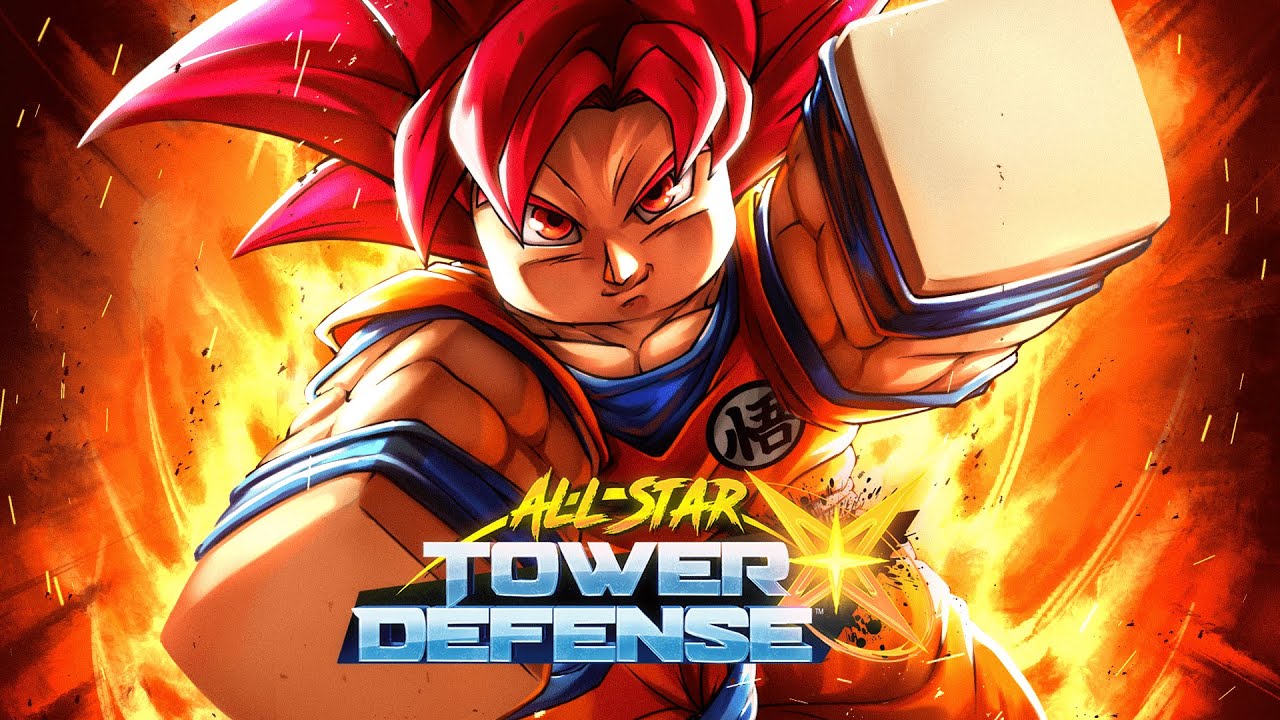
1. Roblox Isn't Just a Game—It's an Entire Gaming Universe Built by Its Players
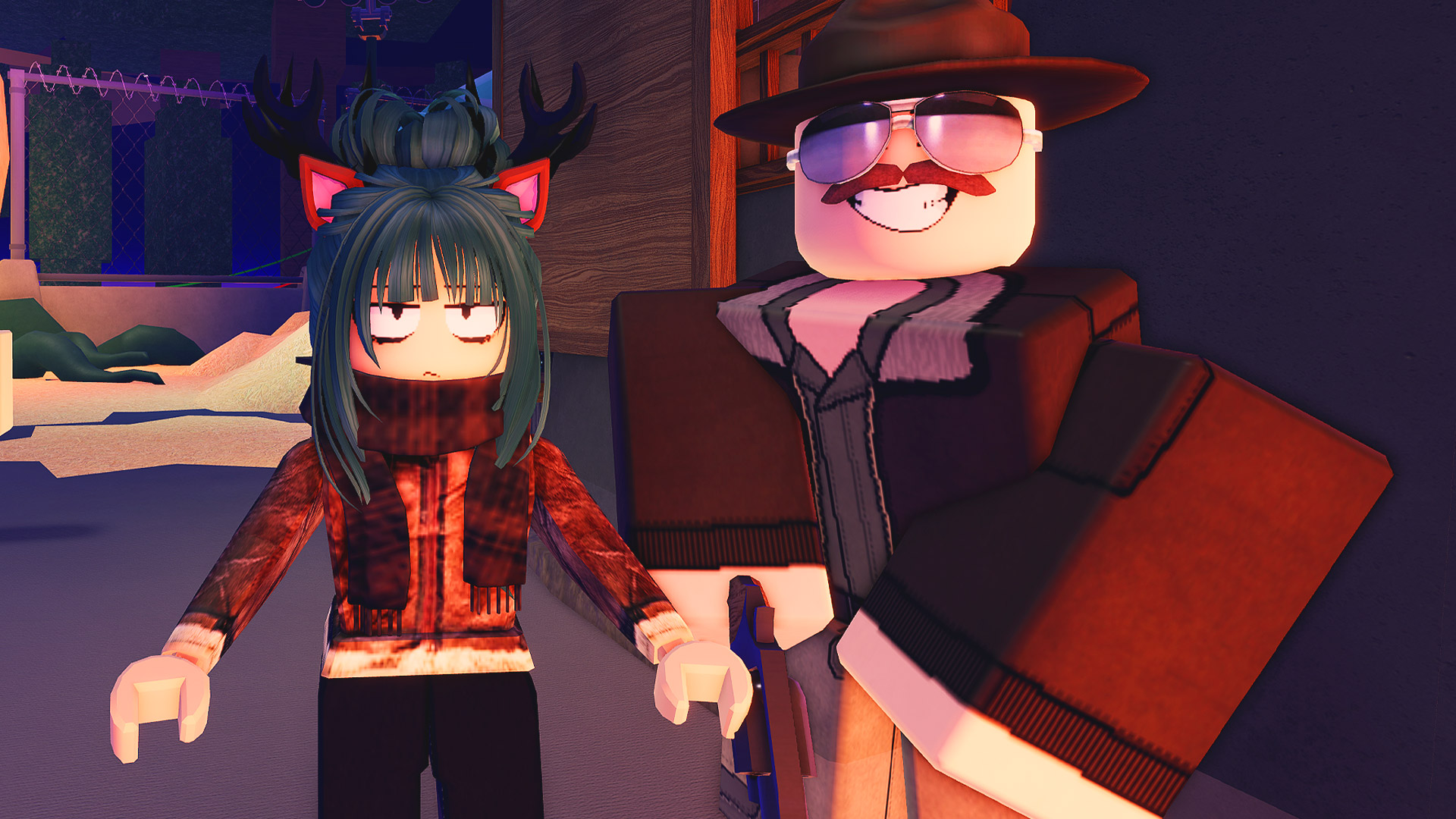
Trying to review Roblox the same way you'd review a traditional video game feels almost impossible. Unlike most titles, there isn't a single campaign to complete, a defined world to explore, or even one gameplay style that represents the entire experience. Instead, Roblox functions as a massive ecosystem where millions of players move freely between thousands of community-created experiences, each with its own rules, mechanics, and personality.
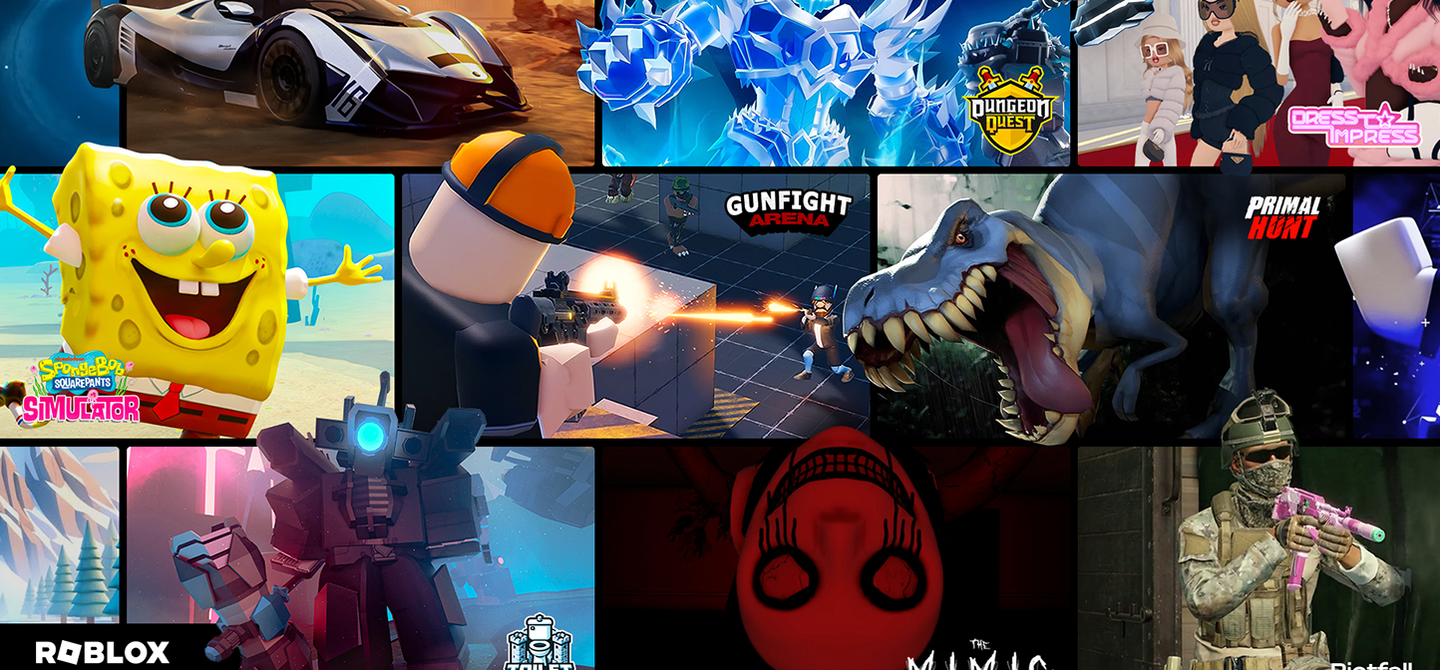
That variety becomes obvious within your first hour. One moment you're decorating a virtual apartment with friends, and minutes later you're escaping a haunted hospital, racing sports cars, defending towers against endless enemies, or surviving natural disasters alongside complete strangers. Very few gaming platforms can change genres this quickly without requiring separate downloads or purchases.
After spending countless hours exploring Roblox over the years, I realized the platform isn't designed around progression in the traditional sense. Its biggest appeal lies in discovery. Every session begins with a simple question: "What do I feel like playing today?" The answer could lead to an intense competitive shooter, a relaxing life simulator, or an experimental indie project created by a small development team halfway across the world.
Of course, that freedom also creates inconsistency. Some experiences feel surprisingly polished and comparable to standalone games, while others appear unfinished or abandoned after only a few minutes. Yet even those rough edges contribute to Roblox's identity. You never truly know what you'll find next, and that unpredictability has become one of the platform's greatest strengths. Rather than offering one carefully crafted adventure, Roblox delivers an endless collection of possibilities that continues growing every single day.
2. Every Session Feels Different Because Roblox Never Limits You to One Genre
One of the biggest reasons Roblox has remained relevant for so many years is that it refuses to lock players into a single type of gameplay. Most games ask you to commit to one experience for dozens of hours. Roblox encourages the exact opposite. If you're no longer enjoying a game, you can leave immediately and jump into something completely different within seconds.
I've had evenings where I planned to spend an hour playing a tower defense game, only to end up exploring horror experiences, competing in racing simulators, and finishing the night inside a casual roleplay server. None of those transitions felt unusual because Roblox is built around constant exploration rather than long-term commitment to a single title.
That freedom creates an addictive gameplay loop. Instead of asking whether you've finished the game, Roblox continually asks what you want to experience next. Some players enjoy fast-paced PvP shooters, while others prefer building houses, managing businesses, solving escape rooms, or simply socializing with friends. The platform supports all of those interests without forcing players into one progression path.
Of course, the enormous variety comes with trade-offs. Quality differs dramatically between experiences. Some games feature polished combat systems, detailed environments, and surprisingly deep progression mechanics. Others feel repetitive, poorly balanced, or abandoned shortly after release. Finding hidden gems often requires patience, especially since thousands of new projects appear every year.
Interestingly, that search becomes part of the fun. Discovering an overlooked experience with only a handful of active players often feels more rewarding than revisiting the platform's biggest hits. Roblox constantly reminds you that its greatest content isn't always sitting at the top of the recommendation page.

3. Roblox's Community Creates the Kind of Moments No Developer Could Ever Script
The memories I associate most strongly with Roblox rarely involve completing difficult objectives or unlocking rare rewards. Instead, they're almost always tied to interactions with other players. That's something many traditional multiplayer games struggle to replicate because their experiences are built around structured gameplay rather than spontaneous social encounters.
One evening, I joined a small apartment roleplay server expecting to leave after a few minutes. Someone started playing virtual piano music in the lobby, another player dimmed the lights, and people gradually gathered around without anyone saying much at all. Nothing important happened from a gameplay perspective, yet the atmosphere became surprisingly relaxing. Nearly an hour disappeared before I even noticed.
On another occasion, my friends and I entered a disaster survival map where everything immediately went wrong. Floodwaters rose faster than expected, emergency alarms echoed through the building, and half our group accidentally trapped themselves behind closing doors because nobody understood the map layout. We failed spectacularly, but that disaster produced far more laughter than many expensive multiplayer games I've played in recent years.
Those unpredictable moments are what separate Roblox from most gaming platforms. Developers provide the tools and environments, but players generate the stories. Whether it's an unexpected friendship, a ridiculous roleplay scenario, or complete chaos during a multiplayer event, the platform constantly produces experiences that couldn't have been planned in advance.
Even the quieter moments have their own charm. Wandering through a beautifully designed town during a rainstorm or discovering an experimental horror game with only a handful of active players can leave a stronger impression than completing a major quest in a conventional game. Roblox isn't always at its best when you're chasing objectives. Sometimes it's simply about being present while something unexpected unfolds around you.
4. Creativity Is Roblox's Greatest Strength, and Its Biggest Competitive Advantage
Most online games rely on developers to deliver new content through scheduled updates, expansions, or seasonal events. Roblox follows a completely different philosophy. Instead of asking players to wait for fresh experiences, it gives creators the tools to build them. That approach has transformed Roblox from a simple gaming platform into one of the largest user-generated ecosystems in the industry.
After spending enough time exploring the platform, you quickly realize that creativity exists at every level. Some developers focus on cinematic horror experiences with impressive lighting and sound design. Others create competitive shooters with surprisingly polished weapon mechanics, while many build relaxing roleplay worlds, business simulators, racing games, or intricate puzzle adventures. Every creator brings a different vision, and together they produce a library of experiences that continues expanding every day.
What's particularly impressive is how ambitious many projects have become. There were several occasions where I entered a game expecting a simple Roblox experience, only to discover sophisticated progression systems, detailed environments, and mechanics that rival standalone indie releases. While not every project reaches that level of quality, the platform consistently surprises players willing to look beyond the most popular recommendations.
That creative freedom also benefits developers themselves. Roblox isn't simply a place to publish games—it's an ecosystem where talented creators can build communities, establish careers, and continuously improve their work through direct player feedback. Few gaming platforms offer that combination of accessibility and opportunity, which is a major reason Roblox continues attracting both millions of players and thousands of aspiring developers every year.

5. The Economy and Progression Systems Keep Players Invested, but They Aren't Without Problems
Unlike traditional games with a single progression path, Roblox combines gameplay with a massive virtual economy. Players customize avatars, collect exclusive accessories, purchase premium content, and support creators using Robux, the platform's digital currency. Over time, that economy becomes just as important as the games themselves, especially for players who enjoy expressing their identity through cosmetics.
For many experiences, monetization feels reasonable. Purchasing optional items can support developers without significantly affecting gameplay, allowing free-to-play users to enjoy the core experience while giving dedicated fans opportunities to personalize their accounts. It's a model that has helped countless independent creators continue developing their projects.
Unfortunately, the system isn't always balanced. Some experiences lean too heavily on premium purchases, encouraging players to spend Robux for faster progression, stronger equipment, or exclusive advantages. While these mechanics are common across modern free-to-play games, they can become particularly noticeable on Roblox because younger audiences make up such a significant portion of the player base.
Progression also varies dramatically depending on which experience you're playing. Certain games provide rewarding goals that encourage long-term investment, while others rely on repetitive grinding or aggressive monetization loops that quickly become exhausting. Learning to recognize those differences is part of becoming an experienced Roblox player. Once you identify developers who prioritize enjoyable gameplay over constant purchases, the overall experience becomes significantly more satisfying.
Despite these shortcomings, the economy remains one of Roblox's defining features. It supports creators, encourages personalization, and gives the platform a sense of permanence that extends well beyond individual games.
6. Roblox Continues to Grow Because Its Community Never Stops Evolving
One of the most impressive aspects of Roblox isn't any single game or feature—it's the speed at which the platform changes. Unlike traditional online games that depend almost entirely on official updates, Roblox evolves because millions of players and creators are constantly building, experimenting, and responding to new trends. The platform rarely feels static, even if you've been playing for years.
That constant evolution becomes obvious when you compare Roblox today with its earlier years. Modern experiences feature improved lighting, smoother animations, more advanced scripting, and increasingly sophisticated gameplay systems. Some creators have built fully realized RPGs, competitive shooters, and story-driven adventures that would have been difficult to imagine on the platform a decade ago.
The community itself also plays a major role in keeping Roblox fresh. Every week, new experiences gain popularity through YouTube videos, Twitch streams, TikTok clips, and player recommendations. I've discovered some of my favorite games not through the official recommendation page, but because someone shared an interesting clip that convinced me to give an unfamiliar project a chance.
This cycle creates an ecosystem where creativity spreads quickly. A successful idea often inspires dozens of new interpretations, encouraging developers to experiment with mechanics that players clearly enjoy. While not every trend leads to high-quality experiences, the sheer pace of innovation means there's almost always something new worth exploring.
Perhaps that's Roblox's greatest achievement. It doesn't rely on a single blockbuster update to keep players interested. Instead, its community collectively creates an endless stream of new ideas, ensuring that every visit has the potential to uncover something unexpected.

7. The Platform Has Clear Flaws, but They're Part of Its Open Nature
For all of its strengths, Roblox isn't a platform without frustrations. In fact, some of its biggest problems stem directly from the same openness that makes it so appealing. Because anyone can create an experience, overall quality varies dramatically. It's entirely possible to spend thirty minutes jumping between poorly designed games before finally discovering one that's genuinely worth your time.
Moderation is another challenge. With millions of active users and a large younger audience, maintaining a safe environment is an enormous responsibility. Roblox has invested heavily in moderation tools and safety features, but managing user-generated content at this scale remains an ongoing process rather than a problem with a simple solution.
Technical consistency can also be unpredictable. User interfaces differ between experiences, animations range from incredibly polished to noticeably rough, and performance depends heavily on how individual creators optimize their projects. Some games feel remarkably smooth across all devices, while others struggle with bugs, unstable physics, or confusing menus.
Even so, these shortcomings rarely overshadow the platform's biggest strengths. Experienced players learn to navigate the ecosystem efficiently, following trusted developers, community recommendations, and creator updates instead of relying solely on trending lists. Once you build that familiarity, discovering high-quality experiences becomes much easier.
In many ways, Roblox resembles the internet itself. It's vast, inconsistent, occasionally overwhelming, and full of content that varies wildly in quality. Yet hidden within that enormous library are countless experiences capable of surprising you, entertaining you, and reminding you why the platform continues attracting millions of players around the world every day.
8. Is Roblox Still Worth Playing in 2026? Absolutely, but It Depends on What You're Looking For
After spending years exploring hundreds of Roblox experiences, I've stopped thinking of the platform as a single game. It's better understood as a collection of constantly evolving communities connected by one shared ecosystem. Some nights I spend hours inside competitive action games. Other times I simply wander through beautifully designed social spaces or discover a small horror project created by an independent developer with only a handful of active players. Very few platforms offer that level of freedom.
That's ultimately Roblox's biggest achievement. It gives players the ability to decide what kind of gaming experience they want every time they log in. If you're looking for intense competition, you'll find it. If you prefer creative building, roleplaying, cooperative adventures, relaxing simulators, or fast-paced arcade games, those are all available within the same platform. The variety is unmatched, and because creators continue publishing new experiences every day, the library rarely feels stagnant.
Of course, Roblox won't appeal to everyone. Players who prefer tightly crafted narratives or consistently polished gameplay may become frustrated by the uneven quality across user-created experiences. Finding exceptional games often requires patience, and not every recommendation lives up to its popularity. The platform also demands some self-control when navigating monetized experiences, particularly for younger audiences.
Even with those limitations, Roblox remains one of the most unique gaming platforms available today. It isn't defined by graphics, a single storyline, or one revolutionary mechanic. Instead, it's powered by creativity, social interaction, and the endless imagination of its community. As long as players continue building new worlds and sharing them with millions of others, Roblox will remain far more than just another game—it will continue functioning as one of the most dynamic digital playgrounds in modern gaming.

Conclusion
Roblox has grown far beyond its original identity as a simple game creation platform. Today, it represents one of the largest user-generated gaming ecosystems in the world, offering an unmatched variety of experiences that continue evolving through the creativity of its community. Whether you're interested in competitive action, immersive roleplay, horror adventures, racing games, sandbox building, or simply spending time with friends, there's always something new waiting to be discovered.
Its greatest strength isn't visual fidelity or technical perfection. It's the freedom to explore, experiment, and create memories that no developer could ever fully script. While inconsistent quality, aggressive monetization in some experiences, and moderation challenges remain valid concerns, they rarely outweigh the platform's enormous creative potential.
For players willing to embrace that unpredictability, Roblox continues to deliver one of the most diverse and replayable gaming experiences available in 2026. It's a platform where every login can lead somewhere unexpected—and that's precisely why millions of players keep coming back.
Frequently Asked Questions
Is Roblox still worth playing in 2026?
Yes. Roblox remains one of the most active gaming platforms in the world thanks to its massive library of user-created experiences, regular community updates, and virtually unlimited replay value.
Is Roblox free to play?
Yes. Roblox is free to download and play. However, many experiences offer optional purchases through Robux, allowing players to buy cosmetics, game passes, and premium content.
Is Roblox only for children?
No. While younger players make up a significant portion of the community, many Roblox experiences are designed for teenagers and adults, including horror games, competitive shooters, advanced simulators, and complex roleplaying communities.
What makes Roblox different from games like Minecraft or Fortnite?
Unlike Minecraft or Fortnite, Roblox isn't centered around one core game. Instead, it's a platform where millions of creators publish their own experiences, allowing players to switch between completely different genres without leaving the ecosystem.
What is the biggest strength of Roblox?
Its greatest strength is variety. With thousands of active experiences spanning nearly every genre imaginable, Roblox offers more gameplay diversity than almost any other gaming platform available today.